Views: 0 Author: Site Editor Publish Time: 2026-10-16 Origin: Site
Picture this: you are aligning a high-pressure pump shaft during a critical midnight maintenance window. The engineering schematic explicitly demands a grub screw. Yet, your procurement list only shows set screws. This terminology mix-up causes unnecessary friction on the shop floor for machinists and assembly line workers alike. Selecting the precise fastener is absolutely critical. A wrong choice leads to catastrophic mechanical failure, unwanted shaft slippage, or irreversible damage to expensive machined components.
This comprehensive guide dismantles the exact differences and striking similarities between these common fasteners. We will evaluate material grades, explore various tip designs, and equip you with the technical knowledge to choose the perfect locking mechanism for your specific industrial application.
Terminology is Regional: The primary difference is geographical. Set screw is the standard American term. The alternative name is predominantly used in the UK, Australia, and other Commonwealth countries.
Functionality is Identical: Both fasteners secure one object against another without the use of a nut. They rely entirely on compression and friction.
Head Variations Exist: Most of these locking screws are completely headless. However, certain variations feature external heads for high-torque applications.
Tip Selection Matters Most: Holding power and potential shaft damage depend entirely on the tip type. Options range from aggressive cutting points to soft, non-marring metals.
A set screw is a highly specialized threaded fastener utilized primarily to lock two separate components together. It effectively prevents any relative motion between them. Traditional bolts clamp two materials together using a prominent head to pull them tight. Locking fasteners operate on a completely different mechanical principle. They pass entirely through a threaded hole in an outer object like a collar or gear housing. They then press firmly against the inner object, which is typically a cylindrical steel shaft.
Industrial-grade variants often feature M3 to M12 metric threads with precision pitches conforming to DIN 916 standards. You will frequently find them securing pump impellers, sprockets, gears, and locking collars to rotating shafts in heavy machinery. When an engineer needs a component to stay perfectly aligned on a high-speed spinning axis, this is the definitive go-to hardware.
Originating in the United Kingdom, the term Grub Screw refers to the exact same style of locking fastener. Veteran machinists suggest that the name derives from its physical resemblance to a small, headless insect larva. Once fully threaded and buried deep into a tapped hole, the fastener virtually disappears.
A defining characteristic of this hardware is its universally understood headless design. Because it lacks a traditional protruding head, operators must drive it using an internal wrenching drive. In contemporary machine shops, this means utilizing a hex socket or Allen drive. Slotted and Torx drives are also encountered in specialized equipment. On popular industry forums and shop floors, veteran operators frequently trade the terms interchangeably by simply asking for a headless locker.
Recent industry analyses highlight a growing standardization in global supply chains. As digital manufacturing and cross-border engineering collaborations expand, the distinction between these terms is rapidly blurring. Modern CAD software databases and international procurement platforms increasingly categorize both under a unified headless locking fastener nomenclature. This shift minimizes cross-regional ordering errors and streamlines inventory management. Understanding the historical and structural nuances remains essential for engineers navigating legacy pump blueprints or communicating directly with international suppliers.
The divide is almost entirely linguistic. Operate a manufacturing plant in the United States and order a set screw. You will receive a headless, internally driven fastener. Cross the Atlantic to the UK and order the alternative. You will unbox the exact same piece of hardware. The threading, the pitch, and the application remain identical across borders.
Feature | Set Screw (US Standard) | Grub Screw (UK Standard) |
|---|---|---|
Primary Region | United States, Americas | UK, Australia, Commonwealth |
Head Design | Mostly headless, but includes headed variants | Strictly headless |
Drive Type | Internal Hex, Torx, Slotted, or External Square | Internal Hex, Torx, or Slotted |
Mechanism | Friction and compression lock | Friction and compression lock |
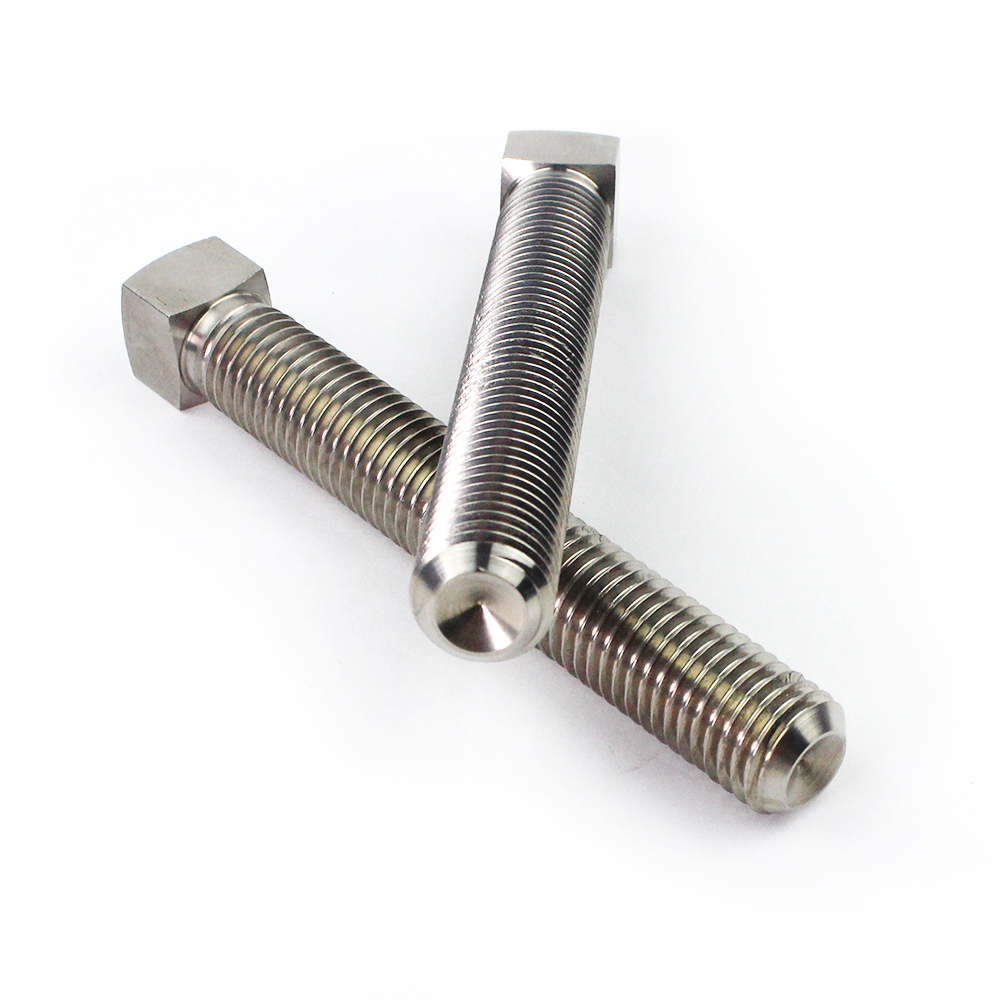
In contrast to the purely linguistic debate, there is one distinct technical nuance regarding the terminology. The UK term strictly implies a completely headless design. The American term serves as a broader umbrella category that occasionally includes headed variants. A Square Head Set Screw features a protruding, block-like head designed for extreme-torque wrenching. Because it prominently features a head, a machinist would rarely refer to it using the UK slang. This highlights a subtle but important distinction in fastener taxonomy.
Structural differences between locking fasteners and standard machine screws dictate their distinct use cases. Regular screws utilize a wider head to pull and clamp two pieces of material tightly together. Locking fasteners push materials apart. As the screw is driven inward, the tip bites into the inner shaft. The threads simultaneously push back against the outer collar. This creates an immense friction lock that resists rotational and axial forces.
The importance of a flush installation cannot be overstated in rotating machinery like centrifugal pumps. A standard bolt with a protruding head mounted on a shaft spinning at thousands of revolutions per minute creates a severe aerodynamic imbalance. More dangerously, it presents a lethal snag hazard that can catch clothing or wiring. Headless designs sit flush or slightly recessed beneath the surface of the outer component. This ensures a smooth, safe, and perfectly balanced rotation.
The true secret to mechanical success lies at the very bottom of the fastener. Tip geometry dictates the holding power, the amount of vibration resistance, and the degree of permanent damage inflicted upon the inner shaft.
The cup point is the undisputed standard in general machining. Featuring a hollowed-out tip, it aggressively cuts into the metal shaft when torqued down to provide maximum holding power. You can often feel a distinct bite through the wrench as it seats. This action leaves a permanent circular scar on the shaft. When frequent adjustments or resets are anticipated, a flat point is highly preferred. Its flattened bottom causes significantly less marring to the mating surface.
For permanent, high-vibration settings, the cone point is ideal. It features a sharp wedge-like tip that usually mates with a pre-drilled dimple in the shaft. This effectively acts as a micro-wedge. Dog points are available in half or full lengths and feature a protruding unthreaded cylindrical tip. This tip fits snugly into a corresponding mating hole on the shaft. It functions similarly to a dowel pin to completely prevent rotational shearing.
Delicate applications require specialized solutions. A Brass Tip Set Screw is engineered specifically for non-destructive clamping. Brass is significantly softer than hardened steel. The tip intentionally deforms and conforms to the shape of the shaft under pressure. Metric brass tip variants featuring precision M4 or M6 threading provide tremendous friction grip. They do this without scratching, marring, or gouging highly expensive inner components. They are particularly popular in precision optics, robotics, and high-end 3D printer assemblies.
Selecting the right alloy is just as crucial as choosing the correct tip. Standard operational environments typically rely on alloy steel for raw structural strength. Stainless steel is deployed in marine or food-grade applications to combat corrosion. Lightweight assemblies might even utilize nylon variants.
When dealing with heavy industrial loads or extreme rotational torque, upgrading to High Strength Set Screws becomes mandatory. Class 12.9 metric fasteners offer a massive tensile strength of 1200 MPa and a yield strength of 1080 MPa. Utilizing low-grade hardware in a high-torque environment is a recipe for disaster. The internal hex socket can easily strip out during tightening. The fastener itself can shear off under operational stress, leading to costly downtime. To further enhance durability, these high-tensile components are often treated with black oxide, zinc plating, or thermal blackening to provide a robust shield against environmental rust.
Navigating the vast sea of hardware requires a methodical approach. When standing at the workbench, follow these practical standards to ensure a flawless assembly.
Step 1: Match Thread Size and Pitch Accurately
Determine whether your tapped hole requires a Metric thread like M8x1.25 or an Imperial pitch. A mismatch here will instantly cross-thread and destroy the component.
Step 2: Define the Drive Mechanism
Evaluate your tooling access. The hex socket is the industry standard for reliable torque transfer. Tight clearances might necessitate a specialized Torx drive to prevent cam-out.
Step 3: Evaluate Shaft Vulnerability
Assess the vulnerability of the inner shaft. If permanent scarring is unacceptable, immediately pivot away from cup points. Utilize a softer brass-tipped variant to ensure non-destructive clamping.
Step 4: Prepare for Maintenance Operations
Downtime is the ultimate enemy for busy machine shops. Keep a comprehensive Assortment Set Screw kit readily available on the tool bench. Having a categorized selection of various sizes, pitches, and tip types ensures that maintenance, repairs, and operations can proceed smoothly without halting production.
Yes. In almost all practical contexts, they refer to the exact same headless locking fastener. You can use them interchangeably on the shop floor as long as the specific thread size, thread pitch, and tip geometry perfectly match the requirements of your mechanical application.
This headed variation is utilized in heavy-duty applications requiring exceptionally high torque to secure the fastener against the shaft. The protruding square block allows a standard open-ended wrench to apply significantly more leverage than a small internal hex key ever could. Due to the severe clearance and safety issues posed by the protruding metal head, they are strictly avoided on fast-rotating parts.
Extracting a damaged fastener requires patience. Apply a generous amount of penetrating oil and let it soak. If a thread-locking compound was used, apply localized heat with a torch to melt the bond. Try tapping a slightly oversized Torx bit directly into the stripped hex socket to gain a fresh grip. If all else fails, carefully drill into the center and use a specialized reverse-threaded screw extractor tool to back it out.
Standard steel cup-point fasteners are designed to aggressively dig into the metal shaft. This leaves permanent, unsightly scars and can create stress risers. A brass-tipped variant is employed when you desperately need strong friction to lock a part in place but must absolutely avoid marring, scratching, or deforming a delicate custom shaft.
In high-vibration environments like industrial pumps or motor housings, applying a medium-strength thread-locking fluid is highly recommended. The fluid fills the microscopic gaps between the threads. This prevents the fastener from backing out due to harmonic resonance and mechanical shock.
Torque specifications depend entirely on the thread size, material grade, and tip type. A Class 12.9 M6 fastener typically requires around 15 Nm of torque to seat properly. Always consult the manufacturer engineering datasheet to prevent stripping the internal drive or fracturing the hardened tip.
The true secret to mechanical reliability is not found in knowing regional slang. It lies in meticulously selecting the correct tip geometry, material grade, and torque specifications for the task at hand. Do not compromise your assembly with subpar hardware. Take the time to evaluate your current machinery and source high-quality, application-specific fasteners. Explore the extensive catalog at PDM Industry to find the exact locking solutions your project demands, ensuring maximum longevity and safety for your next engineering endeavor.